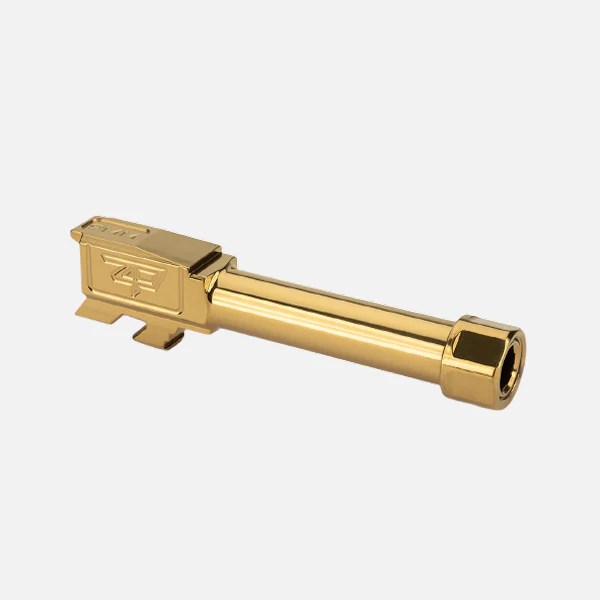
If you spend enough time at the range, you figure something out pretty fast. It’s never just about the firearm. The small things you throw into your range bag usually end up saving the day. I’ve watched people cut a shooting session short because they forgot one simple item. Happens more than you’d think. Whether you’re heading out for practice once a month or every weekend, carrying the right gear makes everything smoother. Many shooters also upgrade their pistols with the best threaded barrel for Glock 43X to improve versatility and prepare for compatible muzzle devices. For many Glock owners, extended magazines for the Glock 19 are one of those upgrades that quickly become part of the regular setup because they reduce reload interruptions and keep training flowing.
Start With a Reliable Range Bag
A good range bag doesn’t need to be expensive. It just needs to work. Strong stitching, solid zippers, and enough compartments to separate gear from ammunition are what matter. Nobody wants loose magazines bouncing around beside eye protection.
Some shooters like compact bags, while others carry enough equipment for an entire day. Either approach is fine. Just make sure everything has a place. Digging through a pile of gear every few minutes gets old fast.
Hearing and Eye Protection Come First
This probably sounds obvious, but you’d be surprised how often people remember one and forget the other.
Quality ear protection should always be packed before anything else. Electronic earmuffs are nice because you can still hear conversations while blocking harmful noise. Foam plugs work too, and honestly they’re worth carrying as a backup anyway.
Safety glasses deserve the same attention. Brass flies in weird directions sometimes. Dust, debris, even fragments can become a problem. Clear lenses work indoors, while tinted lenses help outside on bright days.
Bring More Magazines Than You Think You’ll Need
Loading magazines between every string of fire slows everything down. Having several loaded magazines ready keeps practice focused on shooting instead of constantly stuffing rounds.
Many Glock owners prefer carrying standard magazines alongside higher-capacity options depending on what they’re practicing. Extra magazines also help if one develops feeding issues during a session. It doesn’t happen often, but when it does, you’ll be glad another magazine is waiting.
Magazine pouches are another small addition that keeps everything organized instead of rattling around inside the bag.
A Basic Cleaning Kit Goes a Long Way
People usually think cleaning happens at home. Most of the time that’s true.
Still, carrying a compact cleaning kit is smart. Carbon builds up. Dirt gets inside actions. Sometimes a quick bore snake and a few cleaning patches solve a problem before it becomes frustrating.
A small bottle of lubricant takes almost no room, and your firearm will appreciate it after a long day of shooting hundreds of rounds.
Nothing fancy. Just the basics.
Tools for Small Adjustments
Things loosen.
Scope rings shift. Optics need adjustment. Mounting screws back themselves out after enough recoil. That’s just how it goes.
Keep a multitool or a small gunsmith screwdriver set inside the bag. Allen keys, Torx bits, and a compact wrench handle cover most situations. It isn’t exciting gear, but you’ll use it more than expected.
I’ve borrowed tools from strangers before because I forgot mine. Not my proudest moment.
Ammunition Storage Matters More Than People Think
Throwing loose ammunition into random pockets isn’t the greatest idea.
Use proper ammo boxes or dedicated containers that protect cartridges from dirt and moisture. Label different loads if you’re testing ammunition. Mixing practice rounds with defensive ammunition gets confusing later.
Packing a little more ammunition than you expect to shoot is usually smart. Most range trips seem to last longer than planned.
Targets, Markers, and Small Extras
Paper targets obviously matter, but don’t stop there.
Bring masking tape for patching holes if your range allows it. A staple gun is worth its weight in gold at outdoor ranges. Permanent markers help label targets so you remember which group belongs to which firearm or load.
A notebook isn’t a bad idea either. Recording zero adjustments or group sizes sounds boring until you’re trying to remember what worked three weeks later.
First Aid Isn’t Optional
Nobody likes talking about accidents.
That doesn’t mean they never happen.
A compact first aid kit belongs in every range bag. At minimum, pack bandages, antiseptic wipes, medical tape, gloves, and a tourniquet if you’ve received proper training on using one.
Hopefully you’ll never need any of it. Still, being prepared beats wishing you had packed something.
Stay Comfortable During Long Sessions
Little comfort items make a surprising difference.
Carry water. More than one bottle if it’s hot outside. A few snacks help during long practice sessions because concentration fades when you’re hungry.
Sunscreen belongs in outdoor range bags. So does bug spray, depending on where you shoot.
A small towel isn’t glamorous either, but after hours in summer heat, you’ll be reaching for it.
Don’t Ignore Your Optics Setup
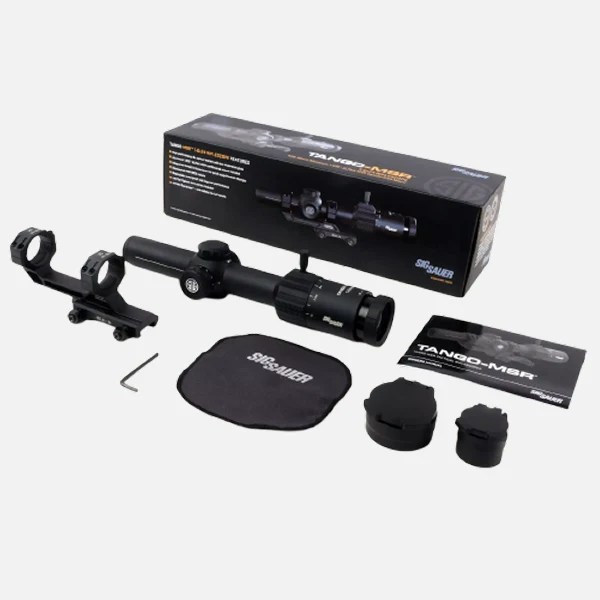
Whether you’re shooting at short distances or stretching things farther out, your optic deserves attention before leaving home. Double-check your mounts, clean the lenses, and confirm everything is properly zeroed. Plenty of shooters spend hours researching the best affordable rifle scope because dependable glass doesn’t always have to cost a fortune. Many firearm enthusiasts also upgrade to a Zaffiri Precision Glock 19 slide to improve performance, durability, and customization options for their handgun. The important part is choosing reliable gear that fits your style of shooting and then maintaining it properly every time you head to the range.
Practice Beats Expensive Gear Every Time
People sometimes get caught chasing equipment instead of improving skills.
Sure, better accessories can help. They make training easier and more enjoyable. But no accessory replaces consistent trigger time. The shooter behind the firearm still matters most.
Use gear that supports your practice instead of distracting from it. Keep the bag organized, replace worn equipment before it fails, and don’t overcomplicate things. Simple usually works.
Conclusion
A well-packed range bag isn’t about carrying every accessory ever made. It’s about bringing the gear you’ll actually use when it counts. Eye and ear protection, spare magazines, cleaning supplies, tools, first aid equipment, hydration, and dependable optics all play their part. Add a little organization, keep everything maintained, and every trip to the range becomes less stressful and a lot more productive. After enough range days, you’ll probably tweak your setup here and there. That’s normal. The goal isn’t perfection.


Leave a Reply