Kids are curious. That’s the one thing you can bet on. They’re always poking at the world, asking questions, drawing on walls…sometimes your nerves along with it. But that curiosity? It’s gold. And art classes belmont parents are signing their kids up for are a perfect way to catch it, shape it, and actually let it grow. I’m not talking about just finger painting and cute crafts, though those are fine. I mean real creative development—giving kids tools to express themselves, take risks, and think differently.
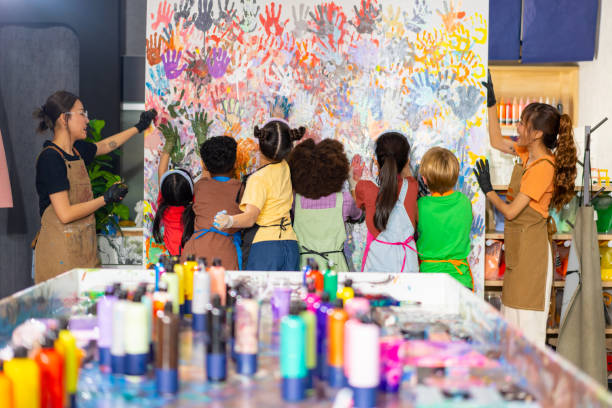
Creative Thinking Starts Early
You don’t need fancy studies to see it: kids who spend time making stuff, whether it’s clay, paint, or a messy collage, start thinking in ways that aren’t just linear. They experiment. They fail. And yes, they sometimes get paint all over the floor. But every mistake is a lesson in problem-solving. That’s something screens just don’t give them. I’ve seen shy kids suddenly speak up when they’re proud of what they’ve made. Confidence sneaks in through the back door when their hands are busy. That’s why parents looking at art classes in Belmont should know it’s not just “fun” — it’s critical brain training disguised as play.
Expression Beyond Words
Kids don’t always have the vocabulary to explain what they feel. Emotions are messy, confusing, and sometimes scary. Art gives them a safe outlet. A kid might not say, “I’m anxious about school,” but they’ll sculpt a twisted figure or paint stormy colors. That’s their language. And when they share it, parents and teachers get a peek inside their minds. You can’t underestimate the power of having an outlet like that. Art isn’t just doodles—it’s therapy, practice in empathy, a rehearsal for life’s bigger conversations.
Fine Motor Skills and Coordination
You might roll your eyes at this one, but yes, art helps with coordination. Painting, cutting, sculpting—it all strengthens tiny muscles in the hands. These muscles matter for writing, for sports, even for tying shoes. It sounds minor, but at a young age, this stuff adds up. A kid struggling with hand-eye coordination might find a new rhythm after just a few months of consistent art classes. That’s why even parents who don’t see their kids as “artsy” benefit from enrolling them.
Social Skills in a Creative Space
Art isn’t always a solo activity. Group classes, whether it’s art classes, Cupertino kids attend or anywhere else, teach sharing, patience, and collaboration. Kids learn to wait their turn, exchange ideas, and sometimes argue—yes, argue—about whose paintbrush goes first. And that’s healthy. It’s life prep in disguise. They’re not just making a watercolor sunset; they’re figuring out how to coexist with others, how to negotiate, and how to handle disappointment when someone grabs their favorite marker.
Problem Solving Through Play
Here’s something most people don’t think about. Art forces decisions. What color? Which angle? How big should this shape be? These tiny choices compound into bigger thinking patterns. Kids start weighing options, predicting outcomes, seeing cause and effect. It’s subtle, but it’s happening every time they squint at a blank sheet and decide where to start. And this is exactly why art classes belmont are more than just extracurricular. They’re laying the groundwork for critical thinking.
Encouraging Originality and Risk-Taking
If you want a kid to stand out, you’ve got to let them risk failure safely. Art classes give that permission. You can spill paint. You can make a sculpture that falls apart. No one dies. It’s just practice. But the confidence to experiment and fail without judgment? That translates into school, friendships, even later in life when the stakes are higher. Kids who dabble in different mediums, try new techniques, or even destroy a project and start over—those are the ones learning resilience.
Mental Health Benefits
Let’s not sugarcoat it: kids have stress too. Homework, peer pressure, even family stuff. Art gives them a pause. It’s a break from performance-based environments. When a kid sits down to paint, sculpt, or craft, there’s a meditative quality to it. Focus shifts from stressors to creation. And parents see it too. A kid who was irritable after school can come out calmer, more centered. That alone makes art classes cupertino parents consider a worthy investment.
Bringing It All Together
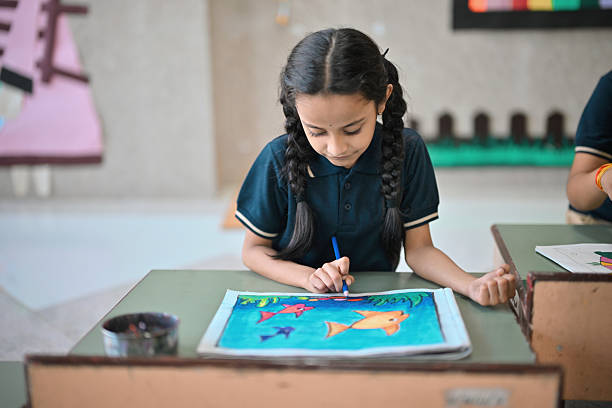
Ultimately, creative development is about more than making a cute picture to hang on the fridge. It’s about building confidence, problem-solving, coordination, social skills, emotional intelligence, and resilience. An art class for kids, especially programs like art classes, Belmont gives children a sandbox for life’s bigger lessons without forcing it down their throats. You can’t replicate this with just screen time or worksheets. Kids need hands-on, messy, experimental environments to really grow.
Sure, it costs money. Sure, it takes time. But the payoff? Kids who can think, create, feel, and communicate. And that’s worth every drop of paint and every sticky finger.
Conclusion
If you’re on the fence about signing your kid up for art classes, stop hesitating. Creative development isn’t optional. It’s essential. Art lets kids explore, experiment, fail safely, and succeed in ways that stick. It teaches lessons that last far beyond the studio. From confidence to coordination, social skills to emotional growth, the benefits are huge. Parents in Belmont and Cupertino already know this, and the kids enrolled in these programs are reaping rewards that aren’t just about art—they’re about life. So grab that registration form, take the leap, and let your kid get messy. You might be surprised at just how far that creativity can take them.
 The Written Voice
Leave a comment