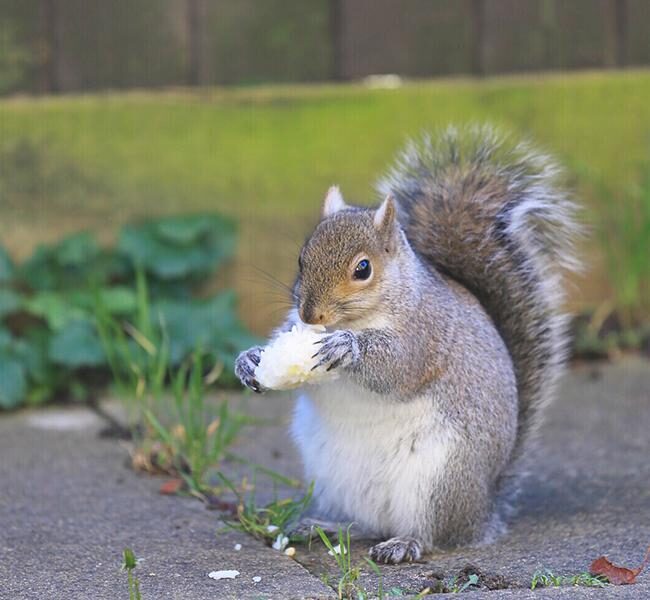
Squirrels are incontrovertibly fascinating brutes hot, nimble, and frequently amusing to watch as they vault from tree to tree. Still, when these creatures decide to take up hearthstone in your home, the situation can snappily shift from lovable to intimidating. What starts as the sound of faint scratching or scurrying in the garret can lead to expansive property damage, fire hazards, and indeed health pitfalls if not addressed instantly. Delaying squirrel removal or junking can turn a small vexation into an expensive problem.
The Hidden troubles of Ignoring Squirrel Activity
At first regard, having squirrels in or around your home may not feel like a major concern. Numerous homeowners assume they’ll ultimately leave on their own. Unfortunately, this supposition frequently backfires. Squirrels are patient nesters, especially during colder months when they seek warmth and sanctum. Once outside, they can beget significant structural damage before you indeed realize what’s passing.
Squirrels bite on nearly anything to keep their ever- growing teeth in check, including wood, sequestration, and electrical cables. These chewing habits can weaken shafts, tear up sequestration, and increase the threat of electrical fires. The longer the infestation is ignored, the further destruction these small rodents can beget and the advanced the form costs rise.
Biting Electrical Cables A Major Fire Hazard
One of the most serious consequences of delaying squirrel junking is the threat of electrical fires. Squirrels frequently bite through cables while nesting or moving through garrets and walls. The defensive sequestration around the wiring is no match for their sharp teeth, leaving bare cables exposed. This can lead to electrical films, sparks, and fires that put your home and family at serious threat.
Indeed if a fire does n’t break out, damaged wiring can affect conking appliances, fluttering lights, or power outages. Rewiring sections of a home can be a precious and time- consuming form, making early junking of squirrels a far more cost-effective result.
Structural Damage to garrets and Roofs
Squirrels are professed rovers and can fluently pierce your roof through overhanging branches or damaged reflections. Once inside the garret, they begin to make nests using sequestration, cardboard, and other accoutrements they find lying around. Over time, they can bite through rafters, roof decking, and sequestration. This not only compromises your home’s structural integrity but also affects energy effectiveness.
Poor sequestration caused by squirrel exertion can lead to heat loss in the downtime and advanced cooling costs in the summer. Small holes in the roof or soffits made by squirrels can also allow rainwater to seep in, leading to earth growth and wood spoilage. These issues can snappily escalate, turning a simple pest problem into a precious home form design.
Health pitfalls from Squirrel feces and spongers
Beyond property damage, squirrels can pose health hazards to humans and faves . Their feces, urine, and nesting accoutrements can pollute sequestration and air tubes, spreading unwelcome odors and bacteria throughout your home. Dragged exposure to these pollutants can beget respiratory issues and antipathetic responses.
Also, squirrels can carry spongers similar to fleas, ticks, and diminutives, which may spread conditions. Some squirrels also harbor leptospirosis and salmonella bacteria, both of which can infect humans. Once these pathogens and pests enter your living terrain, professional cleaning and decontamination are necessary to insure safety.
Noise Disturbances and Sleepless Nights
Homeowners frequently first notice a squirrel problem when they hear scratching, tripping, or eating noises in the ceiling or walls especially during early morning or late- night hours. Squirrels are most active at dawn and dusk, and the constant noise can disrupt sleep and produce stress.
Over time, these sounds come more frequent and louder as the squirrel population grows. Baby squirrels can add to the commotion with squeaks and chirps. The longer you stay to remove them, the more established their nests come, making the junking process more complicated and disruptive.
Parentage Season When the Problem Doubles
Squirrels reproduce fleetly, and delaying junking can snappily lead to a population smash in your garret. They generally breed twice a time, formerly in late downtime and again in midsummer. A single lady can give birth to several seeds each time.However, one or two squirrels can multiply into a large colony within months, If not addressed instantly.
This increase in population means more nesting accoutrements , further feces, and further damage. Removing squirrels during parentage season can also be tricky, as baby squirrels may be hidden in sequestration or walls. In similar cases, humane junking frequently requires redundant care to ensure all creatures are safely dislocated, which can increase service costs.
Attracting Other Pests
A squirrel infestation infrequently remains an isolated issue. Their presence and waste can attract other pests similar to insects, rats, and snakes. The nesting accoutrements they bring in can harbor fleas or diminutives, and the openings they produce in your roof or siding give easy access for other wildlife.
Once your home becomes a comfortable sanctum for one type of beast, it can snappily turn into amulti-species haven. What began as a many squirrels can evolve into a full-bloated pest irruption that demands comprehensive pest control measures.
Cost Counteraccusations of Delayed Action
While professional squirrel junking services may feel like a gratuitous expenditure at first, the cost of inactivity is far lesser. Repairing masticated wiring, replacing damaged sequestration, and fixing roof holes can add up to thousands of bones. Also, drawing defiled garrets and restoring air quality after a long- term infestation can be expensive.
Homeowners’ insurance frequently does n’t cover damages caused by rodents or wildlife, leaving you to shoulder the fiscal burden. By acting beforehand, you can help small repairs from snowballing into a full addition. Prompt junking and forestallment save plutocrats, time, and stress in the long run.
Precluding unborn Infestations
After squirrels have been safely removed, it’s pivotal to address how they entered your home in the first place. Prevention is crucial to icing the problem. Check your property for entry points similar as gaps in soffits, reflections, and chimneys. Seal these openings with durable accoutrements like essence flashing or tackle cloth that squirrels can’t bite through. Whether it’s squirrel or raccoon removal, trouncing overhanging tree branches and installing chimney stack helps keep wildlife from returning.
Caps or articulation covers can also help keep squirrels from gaining easy access. Regular roof examinations and garret conservation ensure implicit problems are caught before they escalate.
Act Now Before It’s Too Late
What begins as an innocent squirrel seeking warmth can snappily spiral into an expensive, dangerous, and stressful situation. Ignoring the problem or delaying junking gives these patient creatures time to settle in, strain, and beget expansive damage to your home and health.
The most effective way to avoid these issues is to act fleetly at the first sign of squirrel exertion. Professional junking ensures the process is handled safely, humanely, and completely guarding your home, your family, and your peace of mind.
In short, squirrels may look cute in your vicinity, but formerly inside your home, they become a serious and precious problem. Beforehand intervention is the key to turning what could be a fiscal agony into a simple, manageable fix. Do n’t stay until those sportful beasties turn your garret into an expensive form design — take action before it’s too late.
 Site Title
Leave a comment