Every great product begins with an idea—an innovative spark that promises to solve a problem, improve lives, or transform the way people interact with the world. But bringing that idea to life requires more than passion. It demands precision, experimentation, and collaboration. This is where a prototype development company enters the picture. These firms specialize in transforming abstract concepts into functional models, helping inventors, startups, and businesses turn ideas into market-ready solutions.
Working with a prototype development company isn’t just about handing over a sketch and waiting for a product to appear. It’s an immersive process rooted in shared understanding, technical expertise, iterative refinement, and realistic expectations. If you’re considering this path, knowing what to expect from the journey can be the difference between a successful collaboration and a frustrating experience.
A Collaborative Kickoff: Aligning Visions and Setting the Groundwork
The first stage in any a hit prototyping adventure begins with alignment. When you provoke contact with a prototype development enterprise, expect a sequence of deep conversations. This isn’t only a transaction—it’s a partnership. You’ll be asked to give an explanation for your concept in detail: what hassle it solves, who it’s for, the way it works, and what you desire to obtain with it. The employer, in turn, will compare the feasibility of the idea, define capability development paths, and help outline a clean set of desires.
This preliminary segment is foundational. It lays the basis for the whole task, figuring out necessary substances, technologies, constraints, and target timelines. You can also be guided to refine your concept, especially if it is nevertheless within the early ideation level. Far from being a signal of disinterest, this remarks guarantees your concept has the best viable chance of evolving into a possible product.
At this point, anticipate discussions around highbrow belongings, confidentiality agreements, and ownership rights. Trust and transparency are crucial, and professional prototype companies will recognize your innovative ownership whilst protecting both events thru formal agreements.
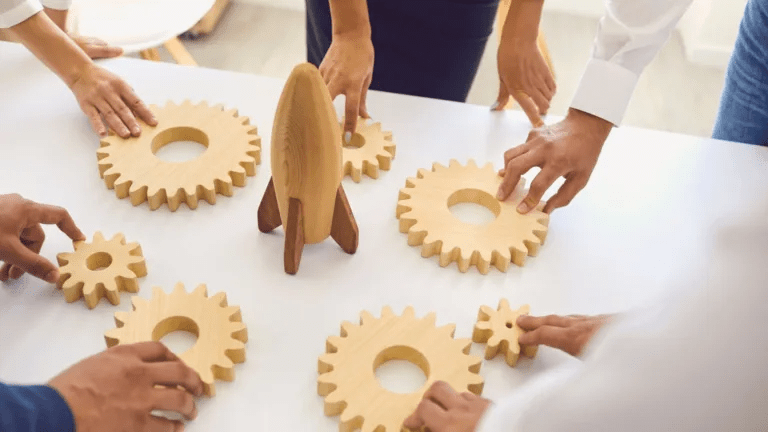
Design and Planning: Translating Ideas Into Blueprint Form
Once the dreams are described, the focal point shifts to designing your product. This is in which concept meets engineering. Designers and engineers work collectively to broaden CAD (laptop-aided design) models or virtual mockups that replicate your idea in a visible and measurable form. This is a detailed and regularly iterative process wherein aesthetics, usability, capability, and manufacturability are balanced.
Don’t be amazed if your preliminary concept undergoes numerous refinements. In fact, this should be expected. Prototyping is as much approximately exploring what works as it’s miles approximately coming across what doesn’t. Design tweaks are every day and regularly important, especially while price, substances, user enjoyment, and regulatory standards come into play.
During this stage, communication is crucial. Be organized for more than one feedback session, design evaluations, and explanation meetings. A true prototype development enterprise will now not simply update you frequently but additionally try to find your approval at key tiers to make sure the evolving version aligns with your imagination and is prescient.
Building the Prototype: Where the Concept Takes Shape
With a layout finalized, the technique transitions into the introduction of a bodily or digital prototype. Depending on the character of your product, this can involve 3D printing, CNC machining, mold creation, electronics integration, or software interface development. Each approach is chosen based on elements like meant use, finances, substances, and the complexity of the layout.
Prototypes are often produced in levels. The first version, frequently referred to as “evidence-of-concept,” won’t be polished however is supposed to illustrate fundamental functionality. From there, refinements are made, materials are upgraded, and the product moves in the direction of a extra production-like form. Each generation presents valuable insights that form the next.
Expect this phase to be arms-on. You can be asked to check the prototype, provide feedback, and approve modifications. Issues may also emerge that weren’t visible in the course of the design phase, such as ergonomic flaws, fabric barriers, or mechanical inefficiencies. Rather than setbacks, those challenges are crucial facts points that pressure improvement.
You may additionally come across selections regarding price range exchange-offs. Prototype development can uncover costs that weren’t, to begin with apparent, and selections can also be made between ideal capabilities and practical ones. A legitimate development companion will assist manually those alternatives, supplying insight into what’s important for achievement versus what can wait.
Iterative Development: Refinement Through Feedback and Testing
One of the hallmarks of prototype development is the new release. Rarely is a product best on the first try. After preliminary testing, changes are normally made based on performance, personal comments, manufacturing requirements, or sudden conduct. These changes might appear small—shifting the placement of a button or altering a component’s dimensions—but they could have a huge effect on usability and scalability.
This segment can occasionally be emotionally tough. As the writer of the concept, you may be attached to certain factors of the layout. However, flexibility and a willingness to pivot are important. Prototyping is about discovering what works fine—now not just what became initially imagined.
During this time, the development employer will also start considering the transition from prototype to production. Choices approximately substances, tooling, providers, and certifications might begin to input the conversation. If the goal is to ultimately manufacture at scale, these issues need to be addressed early to keep away from high-priced adjustments in a while.
Pre-Production Preparation: Getting Ready for the Market
Once a stable and examined prototype is in location, the focus shifts towards preparing for manufacturing. This doesn’t always imply going into full-scale manufacturing right away. Instead, the prototype development enterprise allows make sure that your product is ready for that next step—whether that’s elevating investment, pitching to producers, or going to market.
You can count on deliverables such as finalized CAD files, technical documentation, cloth specs, and occasionally even small-batch manufacturing devices for restrained testing. These belongings are vital for communicating your product’s design to other stakeholders and are frequently utilized in crowdfunding campaigns, investor pitches, or pre-orders.
In a few instances, agencies also help with the sourcing of producers, value modeling, and pleasant guarantee making plans. While no longer all prototype improvement companies make bigger this a ways into the commercialization section, many offer steering or connections to help transition from prototype to manufacturing seamlessly.
The Emotional and Strategic Journey: More Than Just a Technical Process
Working with a prototype development business enterprise is not just a technical project—it’s an emotional and strategic adventure. It demanding situations assumptions, tests patience, and needs innovative flexibility. Yet, it also gives the fun of seeing an concept move from imagination to tangible reality.
The experience is as a good deal approximately gaining knowledge of as it’s far about developing. You’ll end up extra familiar with product layout ideas, production barriers, and market demands. You’ll gain insights that enhance no longer just your current concept, but additionally future improvements. The right development associate will now not simply supply a prototype—they’ll equip you with understanding and self-assurance for the next section of your entrepreneurial or imaginative route.
Conclusion:
Stepping into the world of prototype development is a leap of faith—but one grounded in practical steps, collaborative effort, and relentless refinement. From the first conversation to the final iteration, working with a development partner—especially those offering Amazon product design services is a process of transformation, not just for the product, but for the idea itself.
While the journey may involve challenges and unexpected turns, it ultimately leads to clarity, validation, and direction. Your idea becomes something you can see, hold, test, and improve. And that tangible outcome is the bridge between concept and commercial success.
By understanding what to expect, embracing the iterative nature of development, and committing to open communication, you’ll set yourself up for a productive partnership that takes your concept from vision to reality—with the added benefit of services tailored for success in the competitive Amazon marketplace.
 The Written Voice
Leave a comment